
Picture this: you walk into an electronics classroom where every student is struggling with a different soldering station, each with unique controls, temperature settings, and safety features. The instructor spends half the class time troubleshooting equipment instead of teaching core concepts. Sound familiar? This chaotic scenario is exactly why smart educators and lab managers are standardizing their setups with identical soldering station models across all workstations.
When I first started designing electronics labs, I made the mistake of mixing different brands and models, thinking variety would give students broader exposure. What I got instead was confusion, inconsistent results, and a maintenance nightmare. The solution was surprisingly simple: standardize everything.
Key Takeaways
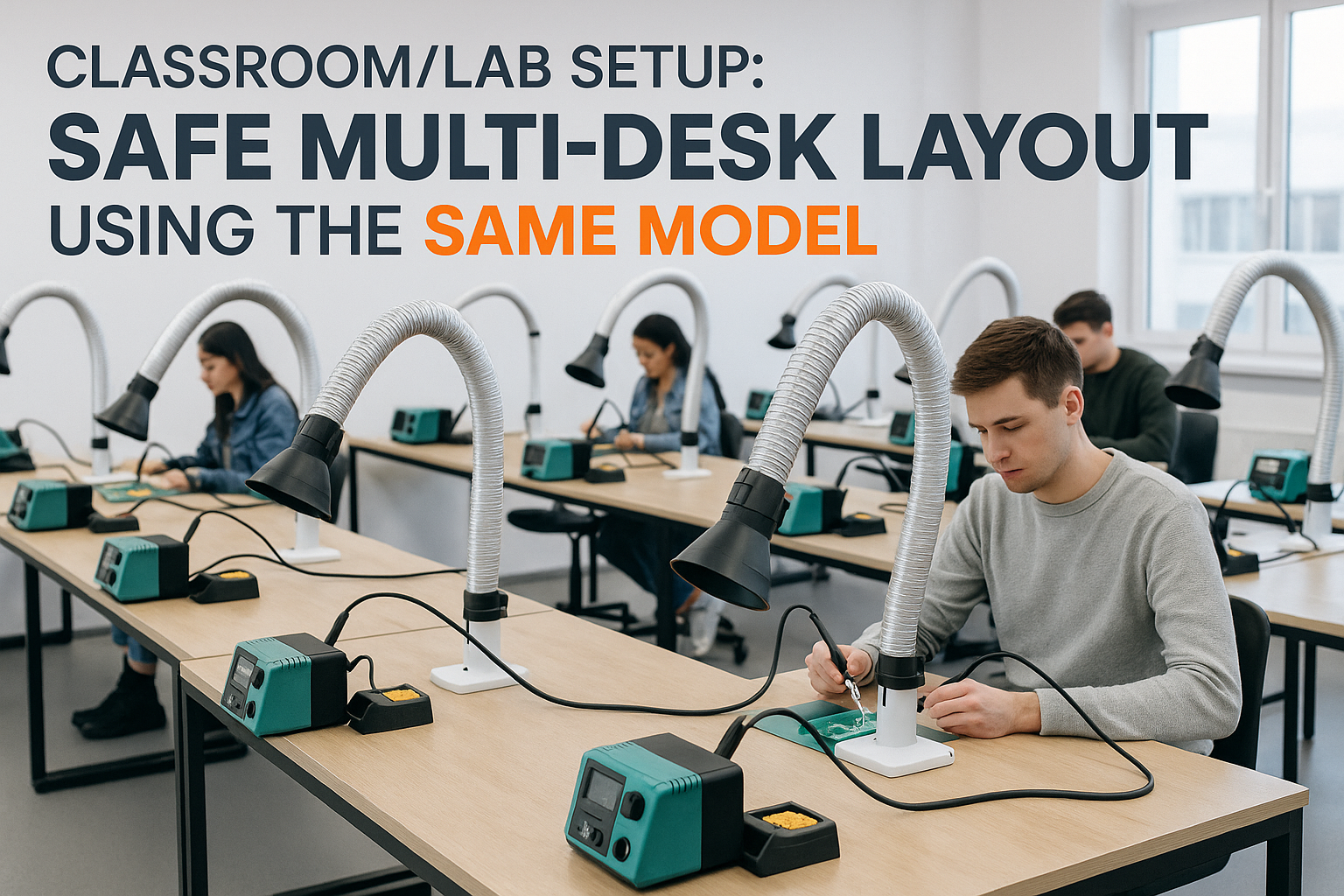
• Standardization reduces training time by 60-70% when all workstations use identical equipment and layouts
• Safety protocols become more effective when every station has the same controls and emergency procedures
• Maintenance costs drop significantly with bulk purchasing, shared spare parts, and streamlined repair processes
• Student learning accelerates when they can focus on techniques rather than figuring out different equipment interfaces
• Instructor efficiency improves with consistent demonstrations and troubleshooting procedures across all stations
Why Equipment Standardization Matters in Electronics Education
The Hidden Costs of Mixed Equipment
Most educational institutions inherit equipment over years, creating a patchwork of different brands, models, and vintages. While this might seem cost-effective initially, the hidden expenses add up quickly:
Training Complexity: Each different model requires separate instruction time. Students waste valuable learning minutes figuring out basic controls instead of mastering soldering techniques.
Safety Inconsistencies: Different emergency shutoff procedures, temperature control methods, and ESD safety protocols create confusion during critical moments.
Maintenance Headaches: Multiple spare part inventories, different repair procedures, and varied warranty terms complicate facility management.
Benefits of the Single-Model Approach
When you standardize on one high-quality soldering station model across your entire lab, several advantages emerge:
🔧 Simplified Demonstrations: Instructors can show a technique once, and every student can immediately replicate it on identical equipment.
📚 Consistent Documentation: One user manual, one set of safety procedures, one troubleshooting guide for the entire facility.
💰 Bulk Purchasing Power: Ordering 10-20 identical units often unlocks significant educational discounts and better warranty terms.
⚡ Faster Problem Resolution: When issues arise, solutions apply to every workstation, not just one unique setup.
Essential Components for Each Workstation
Core Equipment Layout
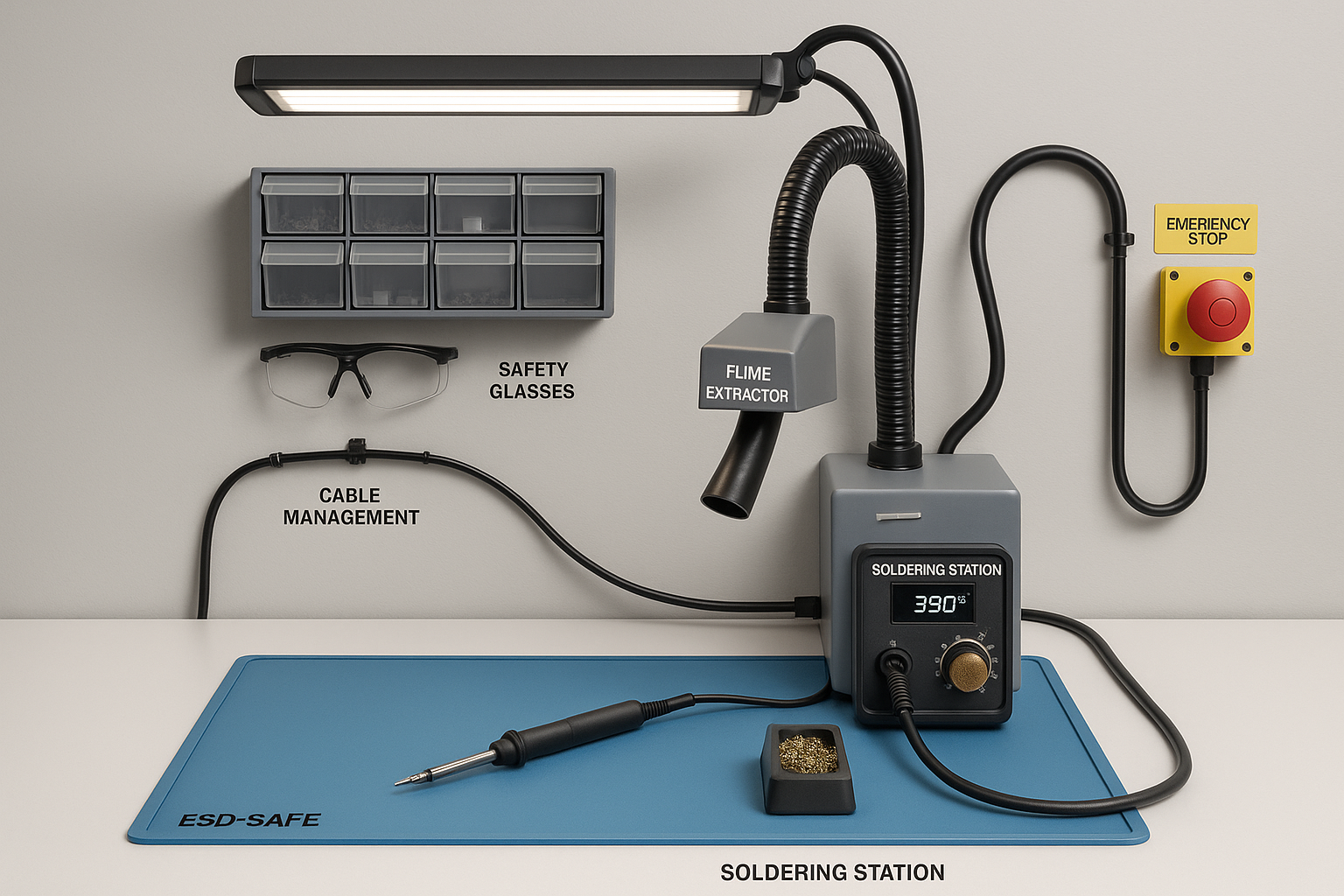
Each standardized workstation should include these essential components arranged in an ergonomically sound configuration:
Primary Soldering Station
- Temperature-controlled soldering iron with digital display
- Multiple tip compatibility for various project requirements
- Auto-sleep and safety features for extended use
Work Surface Setup
- ESD-safe work mat (minimum 24″ x 18″)
- Adjustable task lighting with minimal shadows
- Component organizer trays or bins
- Flux dispenser and cleaning supplies
Safety Equipment
- Fume extraction system or adequate ventilation
- Safety glasses storage
- First aid supplies within easy reach
- Emergency power shutoff clearly marked
Electrical Infrastructure Requirements
Power Distribution
Each workstation needs dedicated electrical circuits to prevent voltage drops and interference:
| Component | Power Requirement | Circuit Type |
|———–|——————|————–|
| Soldering Station | 60-80W | Dedicated 15A |
| Task Lighting | 20-40W | Shared Circuit OK |
| Fume Extractor | 25-50W | Shared Circuit OK |
| Digital Multimeter | 5-10W | Shared Circuit OK |
Grounding and ESD Protection
Proper grounding prevents component damage and ensures consistent performance across all stations. Each workstation should have:
- Common ground point connected to building electrical ground
- ESD wrist strap connection point
- Grounded work surface mat
- Comprehensive ESD safety protocols
Safety Considerations for Multi-Station Labs
Fire Prevention and Response
With multiple soldering irons operating simultaneously, fire safety becomes paramount:
Prevention Measures
- Automatic shutoff features on all soldering stations
- Fire-resistant work surface materials
- Proper storage for flammable materials (flux, solvents, etc.)
- Clear pathways between workstations for emergency egress
Emergency Response
- Class C fire extinguishers positioned every 20 feet
- Emergency power shutoff for entire lab
- Clear evacuation procedures posted at each station
- Regular fire drill protocols specific to electronics labs
Ventilation and Air Quality
Soldering produces fumes that can be harmful with prolonged exposure. Multi-station labs require robust ventilation systems:
Individual Station Ventilation
- Fume extractors with HEPA filtration at each workstation
- Flexible positioning arms to capture fumes at the source
- Regular filter replacement schedules
Room-Level Air Handling
- Minimum 6 air changes per hour for the entire lab space
- Negative pressure relative to adjacent areas
- Fresh air intake to prevent recirculation of contaminated air
Optimizing Workflow and Student Movement
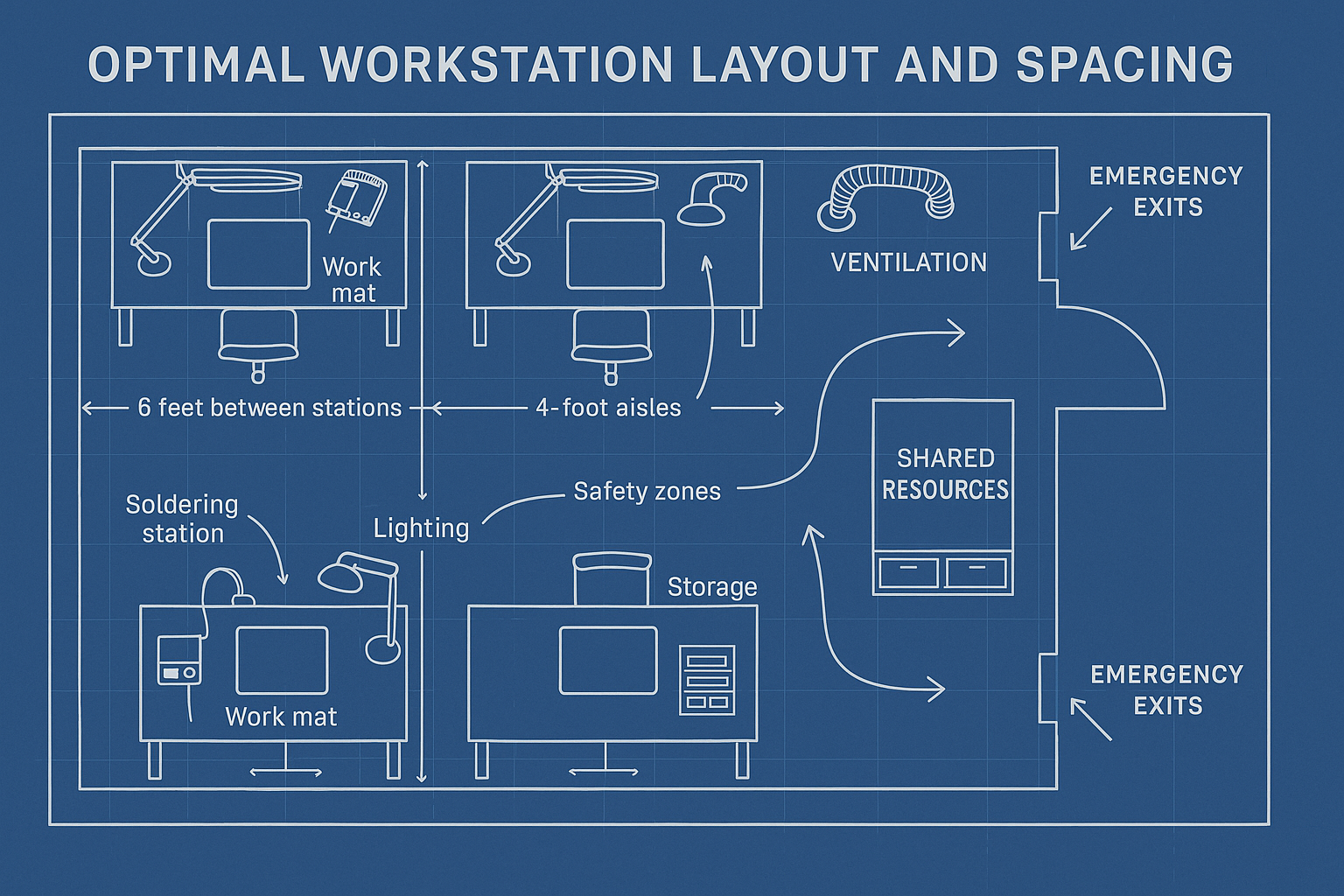
Station Spacing and Layout
Proper spacing between workstations prevents overcrowding and allows for safe movement:
Minimum Dimensions
- 6 feet between workstation centers
- 4-foot aisles for wheelchair accessibility
- 30-inch depth per workstation for equipment and materials
Traffic Flow Design
Design your lab layout to minimize conflicts between students moving to shared resources:
- Central supply station accessible from all workstations
- Separate entrance and exit paths when possible
- Emergency exits clearly marked and unobstructed
Shared Resource Management
Even with standardized individual stations, some resources benefit from centralized management:
Component Libraries
- Central inventory of common components
- Check-out system for expensive or specialized parts
- Clear labeling and organization systems
Specialized Tools
- Oscilloscopes and function generators on mobile carts
- Hot air rework stations for advanced projects
- Precision measurement equipment in secured storage
Equipment Selection Criteria
Performance Requirements
When choosing your standard soldering station model, consider these critical factors:
Temperature Control
Precise temperature control is essential for consistent results across all skill levels. Look for:
- Digital temperature display with ±5°F accuracy
- Preset temperature options for different solder types
- Fast heat-up times (under 60 seconds)
- Temperature stability during use
Versatility and Adaptability
Your chosen model should handle the full range of projects students will encounter:
- Wide wattage range capability
- Multiple tip options for different applications
- Compatibility with both leaded and lead-free solders
- Ergonomic design for extended use
Durability and Maintenance
Educational environments demand equipment that can withstand heavy use and occasional mishandling:
Build Quality Indicators
- Metal construction for high-wear components
- Replaceable heating elements and tips
- Robust cable management and strain relief
- Clear, durable control markings
Serviceability Features
- User-replaceable components where appropriate
- Clear diagnostic indicators for common problems
- Readily available spare parts
- Comprehensive warranty coverage
Cost-Benefit Analysis
Initial Investment Considerations
While standardizing on high-quality equipment requires a larger upfront investment, the long-term benefits justify the cost:
Equipment Costs
- 15-20% savings through bulk purchasing
- Reduced shipping costs with single-vendor orders
- Educational discounts often available for standardized orders
Infrastructure Savings
- Simplified electrical requirements
- Reduced spare parts inventory
- Streamlined maintenance procedures
Long-Term Operational Benefits
Reduced Training Costs
- 60-70% reduction in equipment orientation time
- Simplified instructor preparation
- Faster student onboarding for advanced courses
Maintenance Efficiency
- Single set of repair procedures
- Bulk spare parts purchasing
- Simplified technician training
Educational Outcomes
Students achieve better learning outcomes when they can focus on techniques rather than equipment operation. Standardized setups typically show:
- 25% faster skill acquisition
- More consistent project quality
- Reduced equipment-related project failures
Implementation Strategy
Phase 1: Planning and Assessment
Current State Analysis
- Inventory existing equipment and assess condition
- Evaluate current lab layout and workflow
- Survey instructor and student feedback on existing setup
Requirements Definition
- Define performance requirements for new equipment
- Establish budget parameters and timeline
- Identify key features needed for your specific applications
Phase 2: Pilot Implementation
Small-Scale Testing
- Set up 2-3 stations with your chosen standard model
- Run pilot classes to evaluate performance
- Gather feedback from instructors and students
- Refine procedures and documentation
Procurement Optimization
- Negotiate bulk pricing with suppliers
- Establish maintenance and support agreements
- Plan delivery and installation schedules
Phase 3: Full Deployment
Systematic Rollout
- Replace equipment in phases to minimize disruption
- Train all instructors on new standardized procedures
- Update safety protocols and documentation
- Establish ongoing maintenance schedules
Quality Assurance
- Regular equipment calibration and testing
- Consistent safety protocol enforcement
- Continuous feedback collection and improvement
Maintenance and Longevity
Preventive Maintenance Schedules
Standardized equipment allows for systematic maintenance that extends equipment life and ensures consistent performance:
Daily Procedures
- Visual inspection of all stations before class
- Cleaning and tip care protocols
- Basic functionality checks
Weekly Maintenance
- Deep cleaning of work surfaces and equipment
- Calibration verification
- Consumables inventory and restocking
Monthly Service
- Detailed equipment inspection
- Replacement of worn components
- Documentation of usage patterns and issues
Spare Parts Management
With identical equipment across all stations, spare parts management becomes much more efficient:
Critical Spare Parts Inventory
- Soldering tips (multiple types and sizes)
- Heating elements
- Power cords and cables
- Fuses and basic electrical components
Inventory Management
- Minimum stock levels based on usage patterns
- Bulk purchasing schedules
- Supplier relationships for quick reorders
Troubleshooting Common Issues
Equipment-Related Problems
When all stations use identical equipment, troubleshooting becomes systematic and efficient:
Temperature Control Issues
- Standardized calibration procedures
- Common failure modes and solutions
- Quick diagnostic steps
Power and Electrical Problems
- Consistent wiring and grounding checks
- Standard multimeter testing procedures
- Common circuit protection issues
Workflow and Safety Concerns
Student Safety Protocol Violations
- Consistent enforcement across all stations
- Clear consequence procedures
- Regular safety refresher training
Equipment Misuse Prevention
- Clear operating procedures posted at each station
- Regular equipment orientation for new students
- Instructor monitoring and intervention protocols
Looking to upgrade your lab with professional-grade equipment? Shop XYTRONIC soldering stations for reliable, educational-focused solutions that deliver consistent performance across multiple workstations.
Advanced Features for Educational Settings
Integration with Learning Management Systems
Modern soldering stations can integrate with educational technology to enhance the learning experience:
Digital Monitoring
- Temperature logging for project documentation
- Usage tracking for maintenance scheduling
- Performance metrics for student assessment
Remote Management
- Centralized control for safety shutoffs
- Usage monitoring and reporting
- Preventive maintenance alerts
Scalability Considerations
As your program grows, standardized equipment makes expansion straightforward:
Modular Expansion
- Easy addition of new workstations
- Consistent layout patterns
- Simplified infrastructure requirements
Program Development
- Advanced course offerings with familiar equipment
- Specialized applications using the same base platform
- Industry partnership opportunities with standardized training
Conclusion
Implementing a safe, efficient multi-desk laboratory layout using standardized soldering equipment transforms both the teaching and learning experience in electronics education. The initial investment in identical, high-quality stations pays dividends through reduced training time, improved safety outcomes, lower maintenance costs, and enhanced student learning.
The key to success lies in careful planning, systematic implementation, and ongoing commitment to maintaining standards. When students can focus on mastering techniques rather than figuring out different equipment interfaces, learning accelerates dramatically. When instructors can demonstrate once and know that every student can replicate the process, teaching becomes more effective and enjoyable.
Next Steps:
- Assess your current lab setup and identify standardization opportunities
- Research and evaluate soldering station options that meet your specific educational needs
- Develop a implementation timeline that minimizes disruption to ongoing classes
- Create standardized procedures for operation, maintenance, and safety protocols
- Train your team on the new equipment and procedures before full deployment
For more insights on electronics education and laboratory management, explore our comprehensive blog resources covering everything from basic safety protocols to advanced techniques.
Remember: the goal isn’t just to have functional equipment—it’s to create an environment where students can focus on learning, instructors can teach effectively, and everyone can work safely. Standardization is the foundation that makes all of this possible.